Available courses

Mastering Systematic Reviews: From Protocol to Publication is a comprehensive, practice-oriented course that equips graduate students, researchers, and professionals with the skills to design, conduct, and write high-quality systematic reviews aligned with international standards of rigor, transparency, and reproducibility. Adopting a clear end-to-end framework, the course guides participants from formulating focused research questions and developing robust protocols to executing systematic search strategies, applying structured screening criteria, and conducting data extraction and critical appraisal. It further develops participants’ capacity to synthesise evidence through qualitative and quantitative approaches, ensuring coherence between research questions, analytical strategies, and interpretive claims. The course concludes with detailed guidance on writing and reporting systematic reviews in line with PRISMA, preparing manuscripts for submission, and communicating findings for academic and real-world impact, enabling participants to produce publication-ready evidence syntheses.

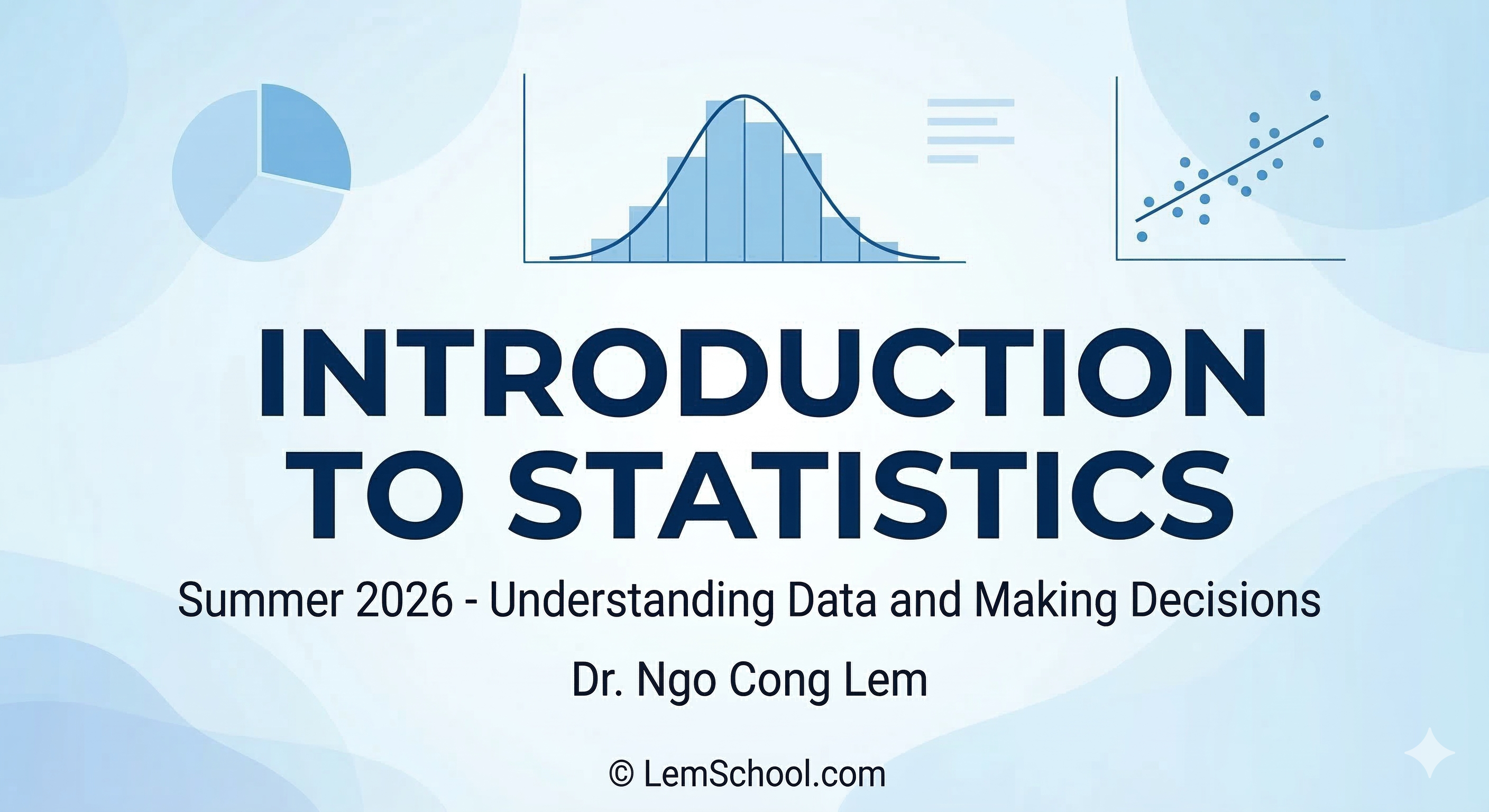
This course introduces students to the basic statistical ideas commonly used in applied linguistics and education research. It is designed for learners who may feel anxious about statistics and need a practical, plain-language introduction. The course focuses on understanding what a statistical concept is, why it matters, when it should be used, and how to apply it appropriately and rigorously in real research situations.

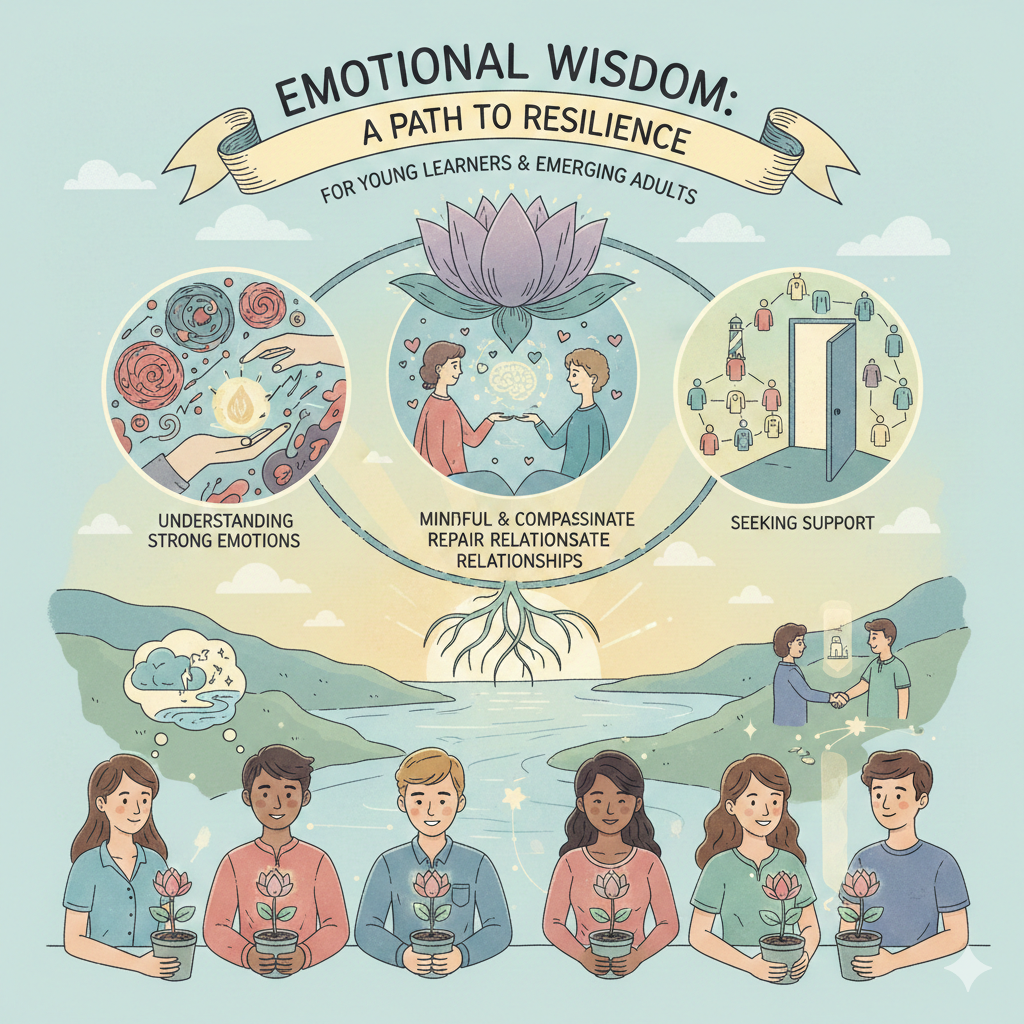
This course offers a practical and meaningful pathway to stronger emotional health and more resilient relationships. Built around three core areas, including (1) understanding strong emotions, (2) cultivating mindful and compassionate relationships, and (3) learning when and how to seek support, it equips participants with tools that can be applied immediately in daily life. You will learn how emotions such as anger, anxiety, jealousy, or disappointment arise, and how to manage them with clarity rather than reactivity. Drawing on research-based techniques and Zen-informed principles of awareness and compassion, the course helps you respond to life’s challenges with greater balance and maturity. It also provides guidance on repairing relationship tensions through effective communication, healthy boundaries, and appropriate support systems. Designed to foster long-term well-being and emotional growth, this course is especially valuable for young learners and emerging adults seeking the confidence and stability needed to navigate complex personal and social environments.

Course Description: Research Methods in the Social Sciences

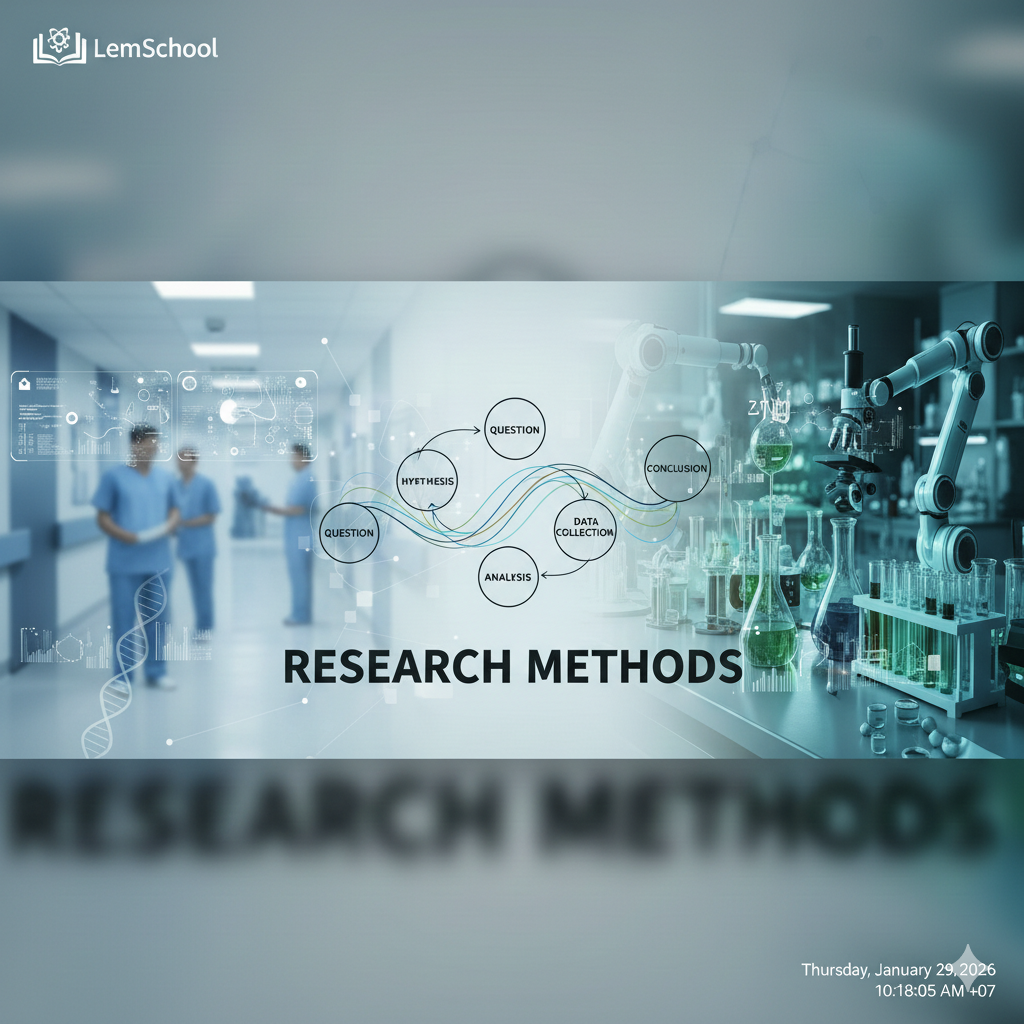
This Research Methods course, branded under LemSchool, offers an intensive exploration into the systematic investigation of human behavior, language, and educational structures. Designed specifically for students in Applied Linguistics, Education, and the Social Sciences, the curriculum transcends simple data collection to focus on the design of robust, ethical, and impactful studies. Students will navigate the complexities of both qualitative and quantitative paradigms—from ethnographic observations and discourse analysis to experimental designs and statistical modeling. By grounding theoretical frameworks in real-world social contexts, this course equips aspiring scholars with the tools to formulate precise research questions, evaluate complex social phenomena, and contribute evidence-based insights to the global academic community.


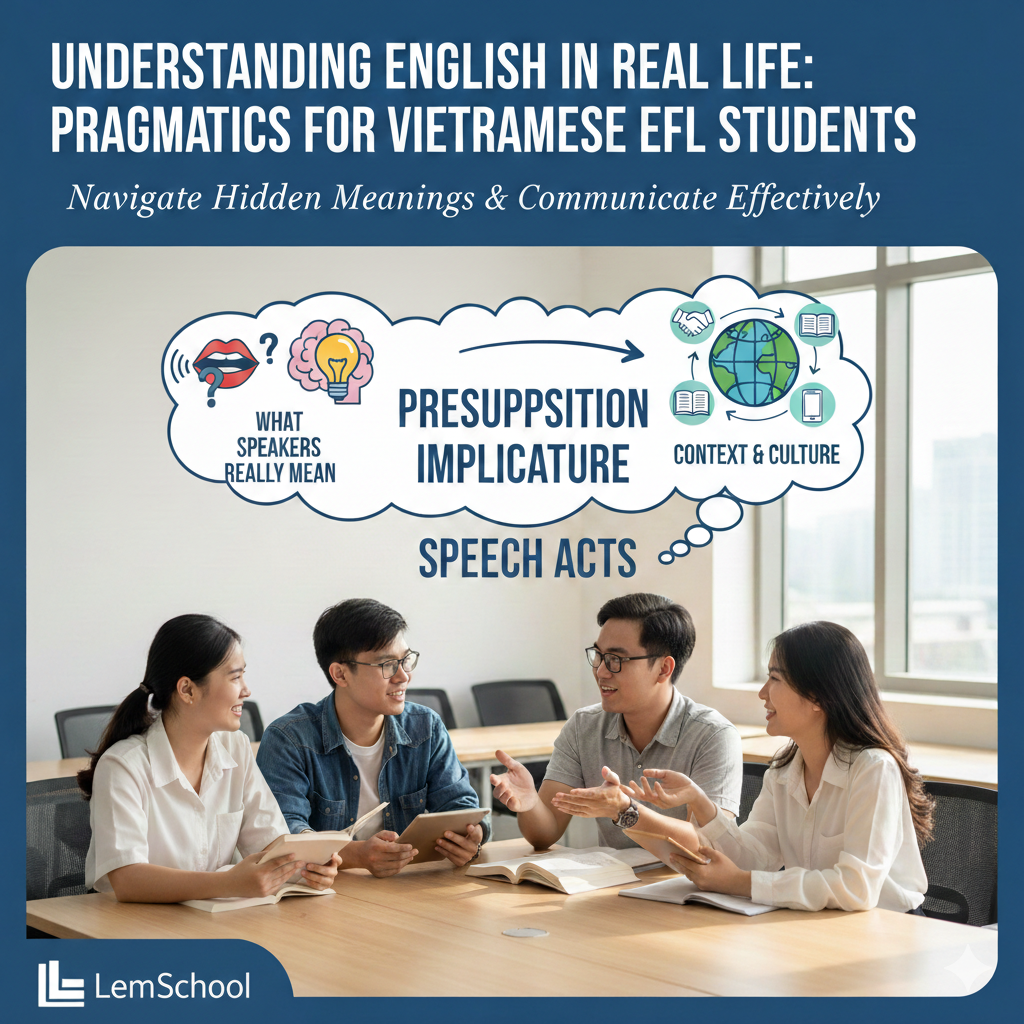
This course introduces undergraduate English-major students to pragmatics, the study of how meaning is created and interpreted in real-life communication. Unlike grammar and vocabulary, which focus on sentence structure and word meanings, pragmatics focuses on what speakers really mean, how listeners understand them, and how context shapes communication.

The course helps Vietnamese EFL students develop awareness of how English is used in social, academic, and professional settings. Through guided analysis of authentic conversations, role-plays, media texts, and classroom discussions, students learn how meaning is influenced by speakers’ intentions, shared knowledge, cultural norms, and situational factors.

Key topics include presupposition, implicature, and speech acts, which help learners understand hidden meanings, indirect communication, and communicative functions such as requesting, apologizing, refusing, and complimenting. By the end of the course, students will be better equipped to communicate appropriately, interpret implied meanings accurately, and avoid pragmatic misunderstandings in intercultural contexts.


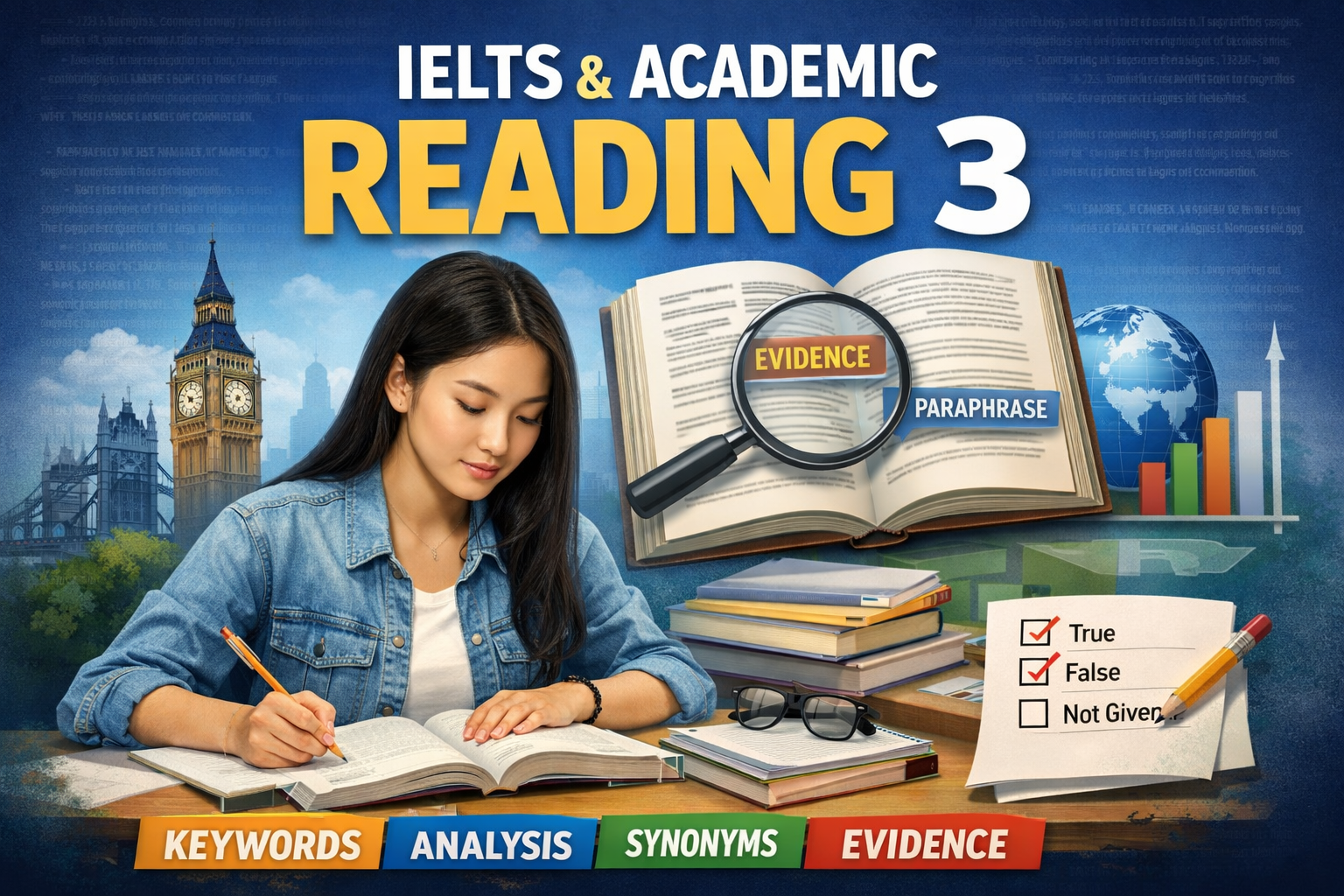
Reading 3 is an advanced course designed to develop DLU FFL's undergraduate EFL students’ strategic, analytical, and evidence-based reading skills for IELTS-style tests and international academic standards. The course trains students to read efficiently through systematic practice in keyword identification, paraphrase recognition, information location, meaning interpretation, and answer justification with textual evidence, using authentic academic texts and common test formats such as True/False/Not Given, Multiple Choice, and Sentence Completion. By the end of the course, students are expected to demonstrate improved reading speed, accuracy, critical awareness, and test readiness, enabling them to approach complex academic texts with confidence and discipline.